
The History of Memorial Day
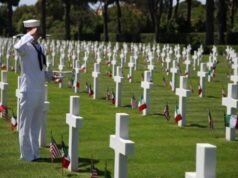
Originally called Decoration Day, from the early tradition of decorating graves with flowers, wreaths and flags, Memorial Day is a day for remembrance of those who have died in service to our country. It was first widely observed on May 30, 1868 to commemorate the sacrifices of Civil War soldiers, by proclamation of Gen. John A. Logan of the Grand Army of the Republic, an organization of former Union sailors and soldiers.
During that first national commemoration, former Union Gen. and sitting Ohio Congressman James Garfield made a speech at Arlington National Cemetery, after which 5,000 participants helped to decorate the graves of the more than 20,000 Union and Confederate soldiers who were buried there.
This event was inspired by local observances of the day that had taken place in several towns throughout America in the three years after the Civil War. In 1873, New York was the first state to designate Memorial Day as a legal holiday. By the late 1800s, many more cities and communities observed Memorial Day, and several states had declared it a legal holiday. After World War I, it became an occasion for honoring those who died in all of America’s wars and was then more widely established as a national holiday throughout the United States.
When Is Memorial Day?
In 1971, Congress passed the Uniform Monday Holiday Act and established that Memorial Day was to be commemorated on the last Monday of May. Several southern states, however, officially commemorate an additional, separate day for honoring the Confederate war dead, sometimes referred to as a Confederate Memorial Day: January 19 in Texas; third Monday in Jan. in Arkansas; fourth Monday in Apr. in Alabama and Mississippi; April 26 in Florida and Georgia; May 10 in North and South Carolina; last Monday in May in Virginia; and June 3 in Louisiana and Tennessee.
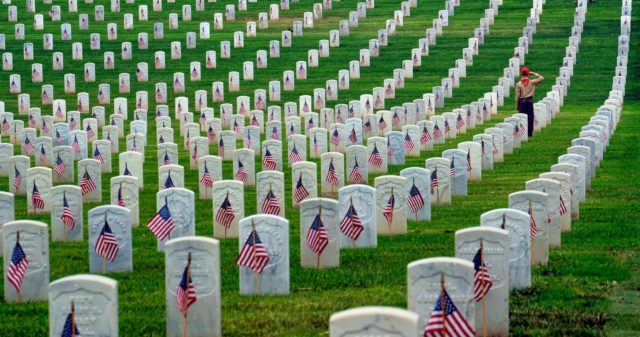
Memorial Day is commemorated at Arlington National Cemetery each year with a ceremony in which a small American flag is placed on each grave. Traditionally, the President or Vice President lays a wreath at the Tomb of the Unknown Soldier. About 5,000 people attend the ceremony annually.
The Meaning of Memorial Day
Since the earliest ceremonies in small American towns following the Civil War, we have gathered on Memorial Day to honor and remember those who made the ultimate sacrifice in service to our nation. As in those early days of laying wreaths and placing flags, our national day of remembrance is often felt most deeply among the families and communities who have personally lost friends and loved ones.
This national holiday may also be the unofficial start of the summer season, but all Americans must take a moment to remember the sacrifice of our valiant military service members, first responders and their families. Memorial Day is a day of both celebration and grief, accounting for the honor of our heroes and reflecting on their tragic loss.
Civil War soldiers had been mustered from towns and villages across the land. Like today, the loss of each soldier was a profound tragedy for both family and community.
Today, we honor service members from all of America’s past wars. But there is immediacy in our sorrow; the wounds of war are new again. As we struggle for ways to heal, Abraham Lincoln’s message of almost 150 years ago can still inspire us.
This, then, is the mission of Memorial Day: to reach out in support of all the soldiers and their families who have sacrificed so much for us.
Throughout America’s history, hundreds of thousands of our fellow citizens have died bravely serving our country. The number of battle deaths speak to the sacrifices our soldiers and their families have made.
Re-printed from PBS